

Patent Pending in The United States of America
System and Method for Indirect Estimation of Solar Irradiance and Heat Flux via Differential Thermodynamic Sensing
US 63/937,986 % Sent December 26, 2025
Our First Product, FiaPhy
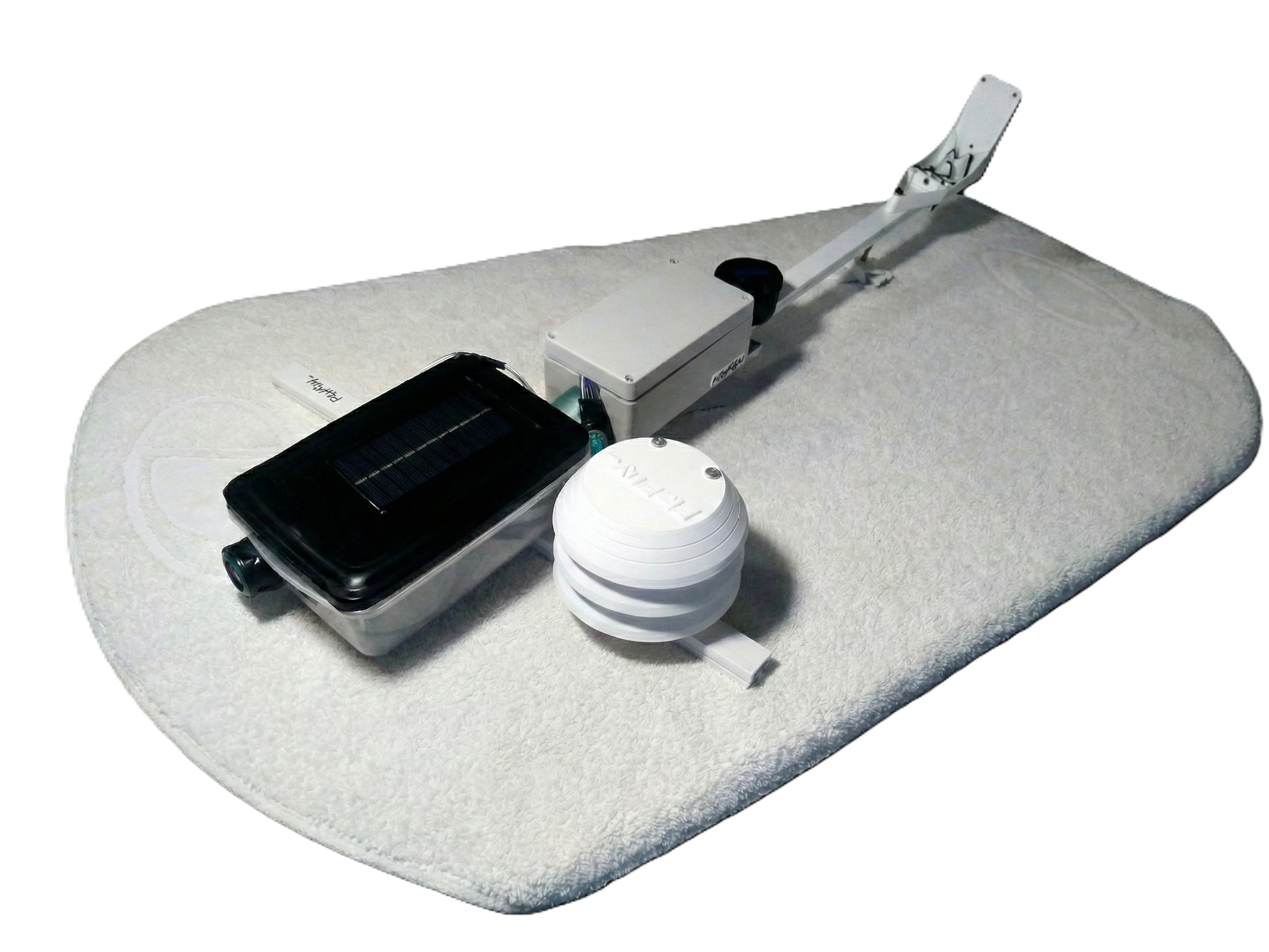
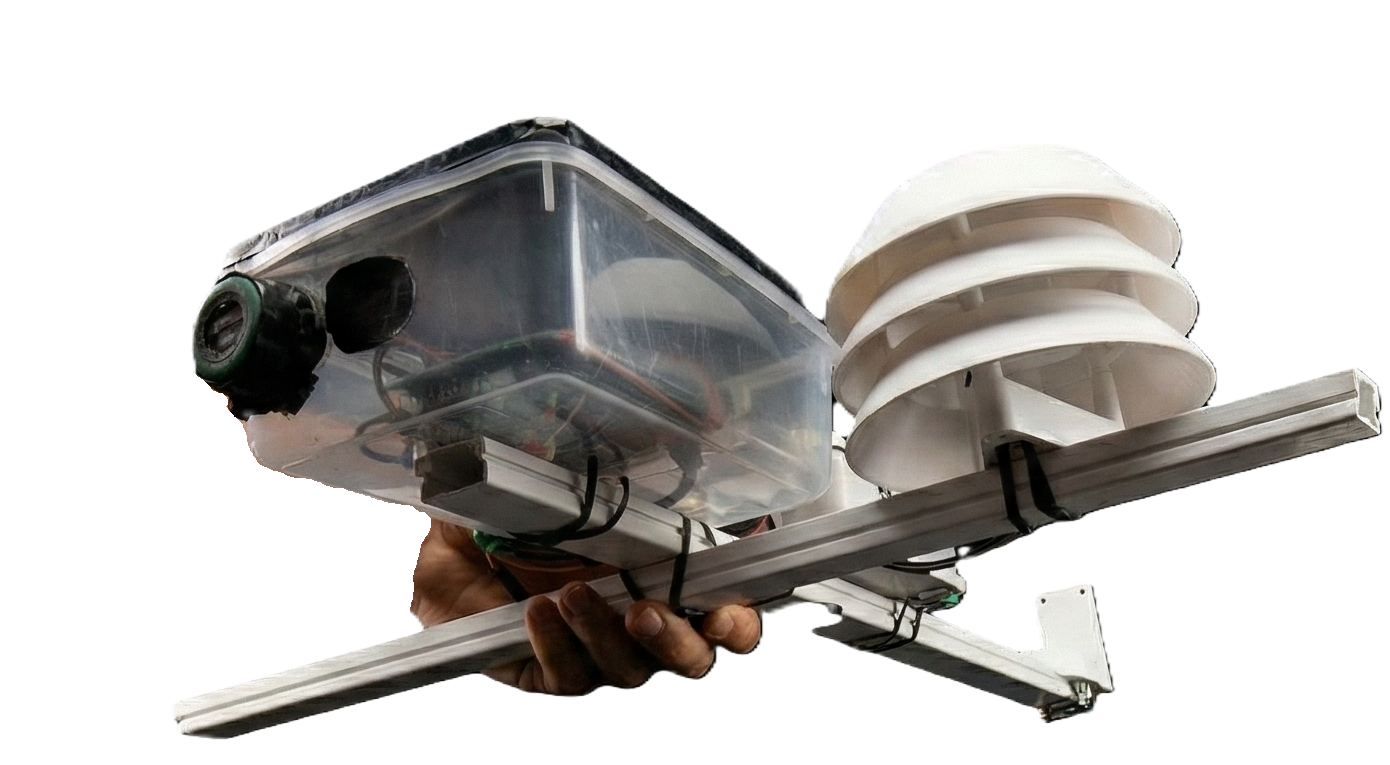
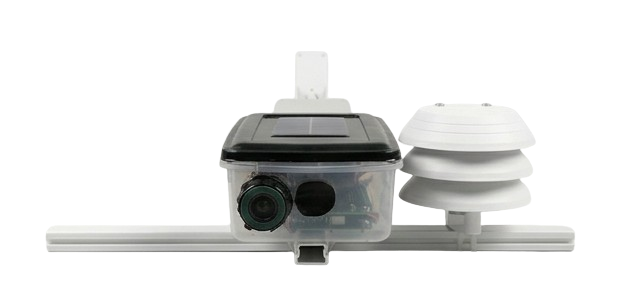
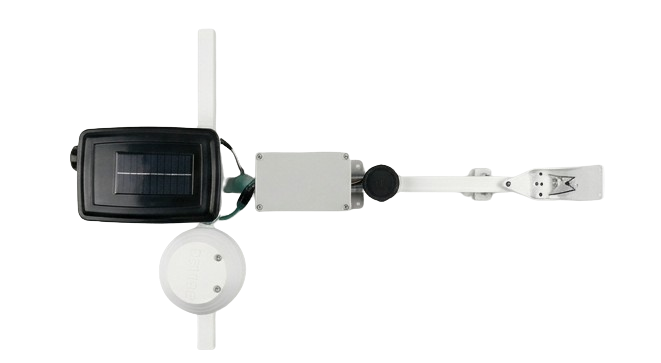
FiaPhy / News
Our FiaPhy Visual Studio Extension was downloaded by more than 45 users on Marketplace
https://marketplace.visualstudio.com/items
Our FiaPhy GitHub repository was starred by more than 55 users and used by more than 330 users on GitHub.
https://github.com/fiaos-org/fiaphy
We are now in official Arduino libraries list.https://docs.arduino.cc/libraries/fiaphy
On PlatformIO, our Fiaphy framework was downloaded 5+ times (overall) obtaining an upper-middle rank.
registry.platformio.org/libraries/fiaos-org/FiaPhy/compatibility
Download the presentation (PPTX) to share at your school or club Download the PDF to share online

FiaPhy Library
Presented at Intellihacks special opportunity offered by Dr Jehan Seneviratne - the University of Colombo School of Computing
Process of Making - FiaPhy
This image gallery consists of a very small number of stages of this process. I was so fascinated by this invention that I had to record it! Enjoy!.jpeg) barely working wifi station (lagging)
barely working wifi station (lagging)
%20.jpeg) designing the stevenson Sensor (rain and radiation shield)
designing the stevenson Sensor (rain and radiation shield)
%20another%20another%20picture.jpeg) FIA FiaPhy 1st successful test (2nd floor home and kept online with internet for over 18 Hours with only a Lion battery. Demonstrates the power efficiency. Cloud synced data is available at cloud.fiaos.org/data)
FIA FiaPhy 1st successful test (2nd floor home and kept online with internet for over 18 Hours with only a Lion battery. Demonstrates the power efficiency. Cloud synced data is available at cloud.fiaos.org/data)
%20another%20picture%20.jpeg) FIA FiaPhy 1st successful test (2nd floor home and kept online with internet for over 18 Hours with only a Lion battery. Demonstrates the power efficiency. Cloud synced data is available at cloud.fiaos.org/data)
FIA FiaPhy 1st successful test (2nd floor home and kept online with internet for over 18 Hours with only a Lion battery. Demonstrates the power efficiency. Cloud synced data is available at cloud.fiaos.org/data)
.jpeg) FIA FiaPhy 1st successful test (2nd floor home and kept online with internet for over 18 Hours with only a Lion battery. Demonstrates the power efficiency. Cloud synced data is available at cloud.fiaos.org/data)
FIA FiaPhy 1st successful test (2nd floor home and kept online with internet for over 18 Hours with only a Lion battery. Demonstrates the power efficiency. Cloud synced data is available at cloud.fiaos.org/data)
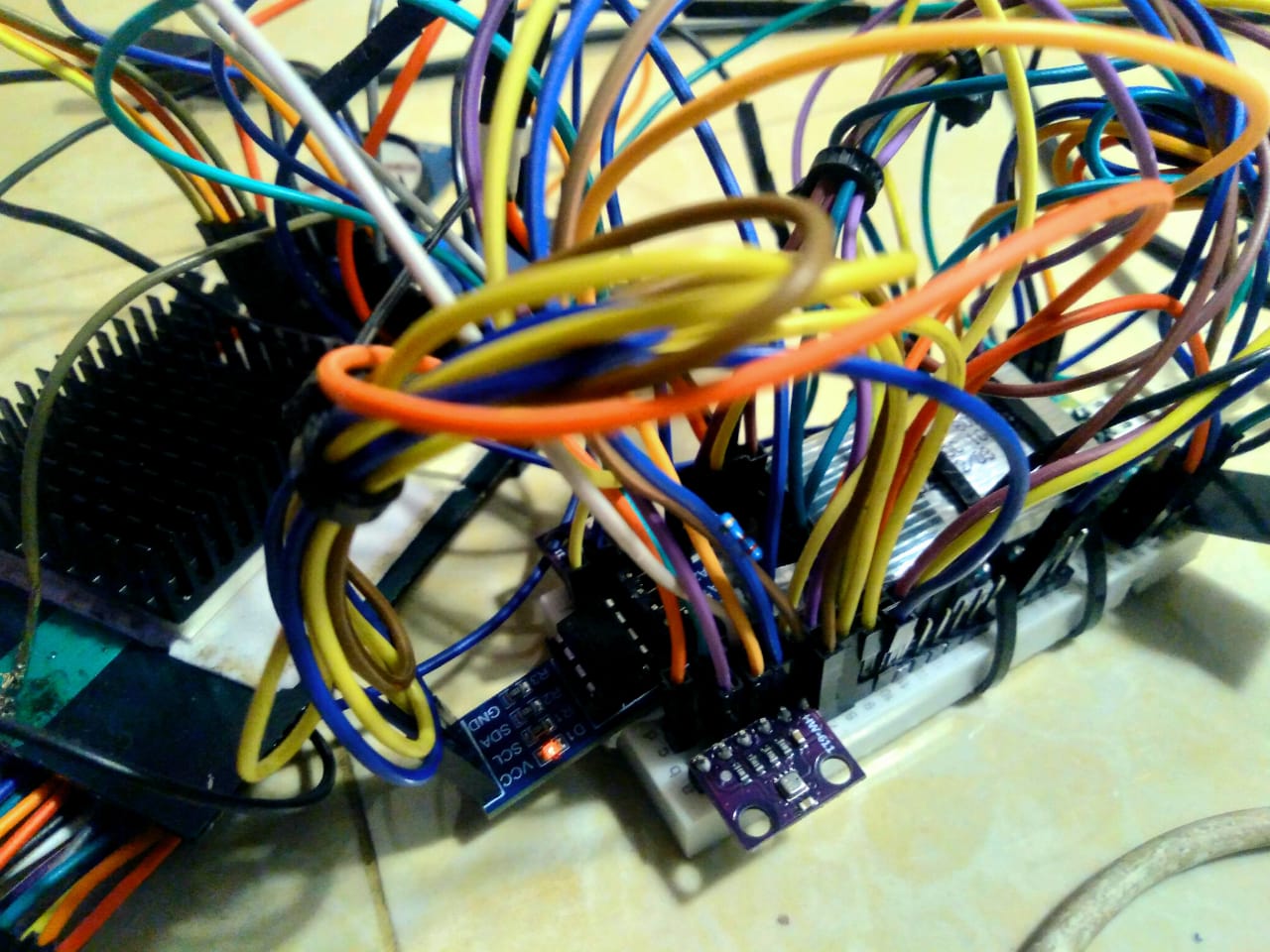 failed version1
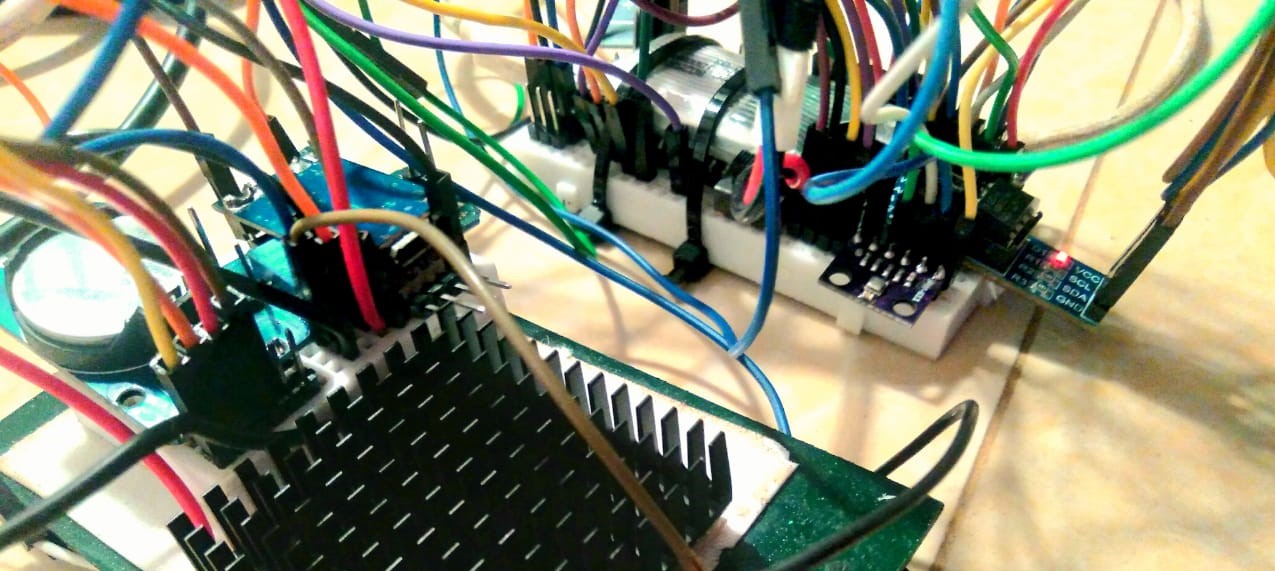 Fitting the heat sink and the novel, self sustaining power plant based on lid
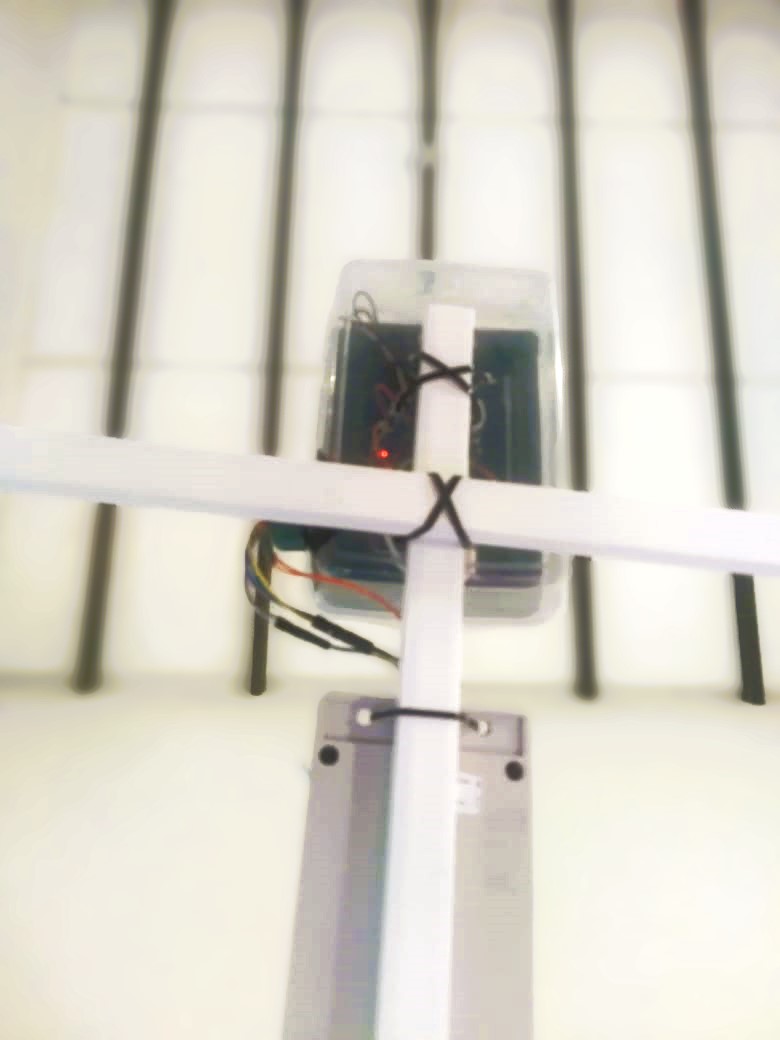 in the final stages before the first successful deployment
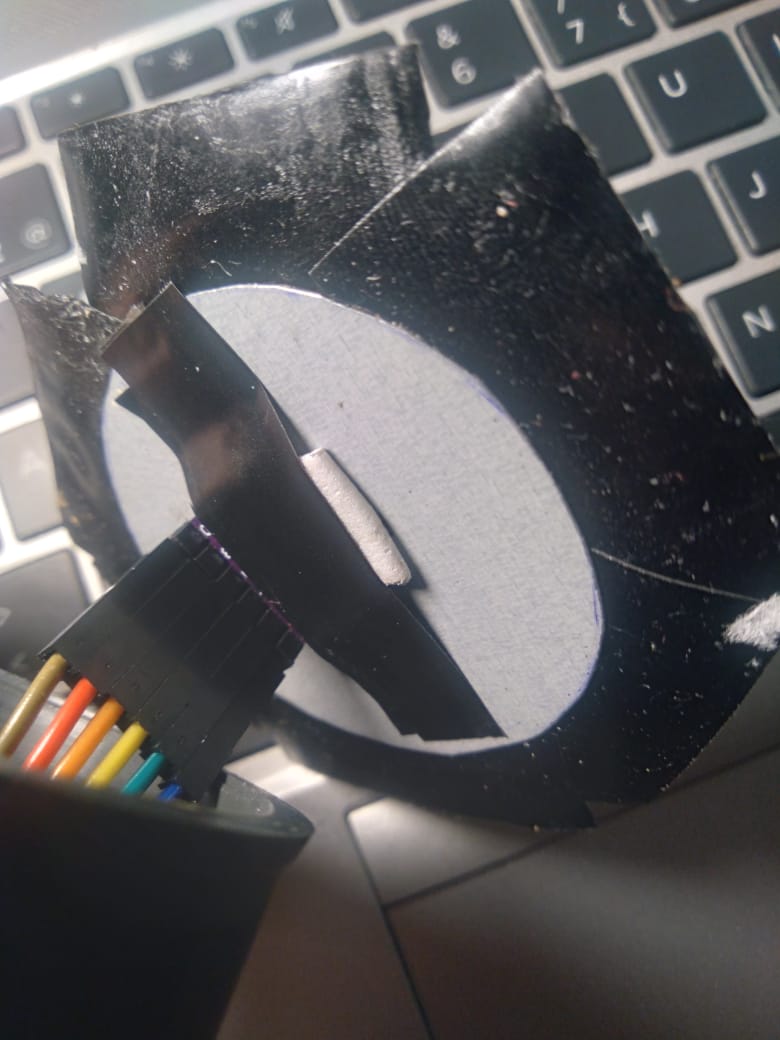 installing the sensors inside the custom FiaPhy flux sensor
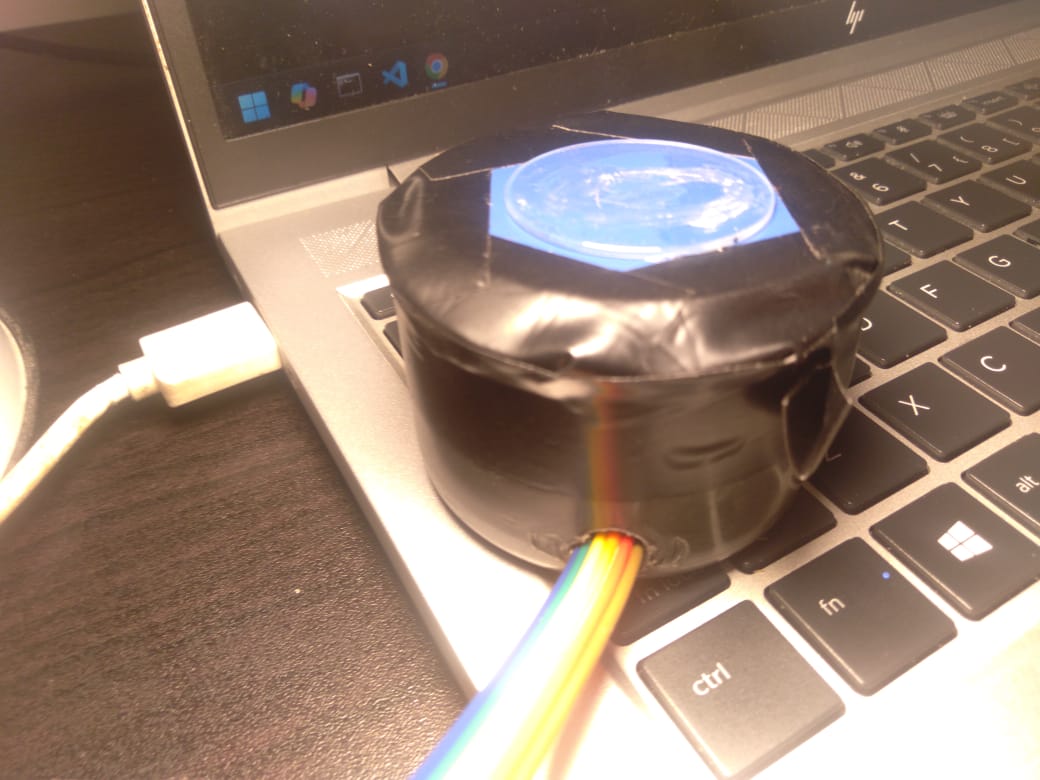 Oh, custom made flux sensor!
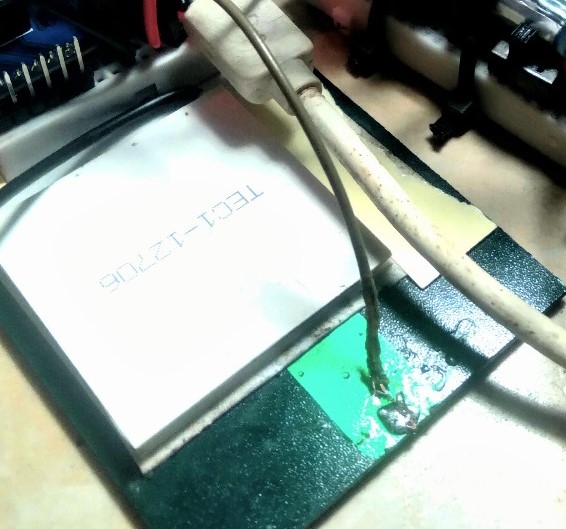 thermoelectric generator Fitting Stage
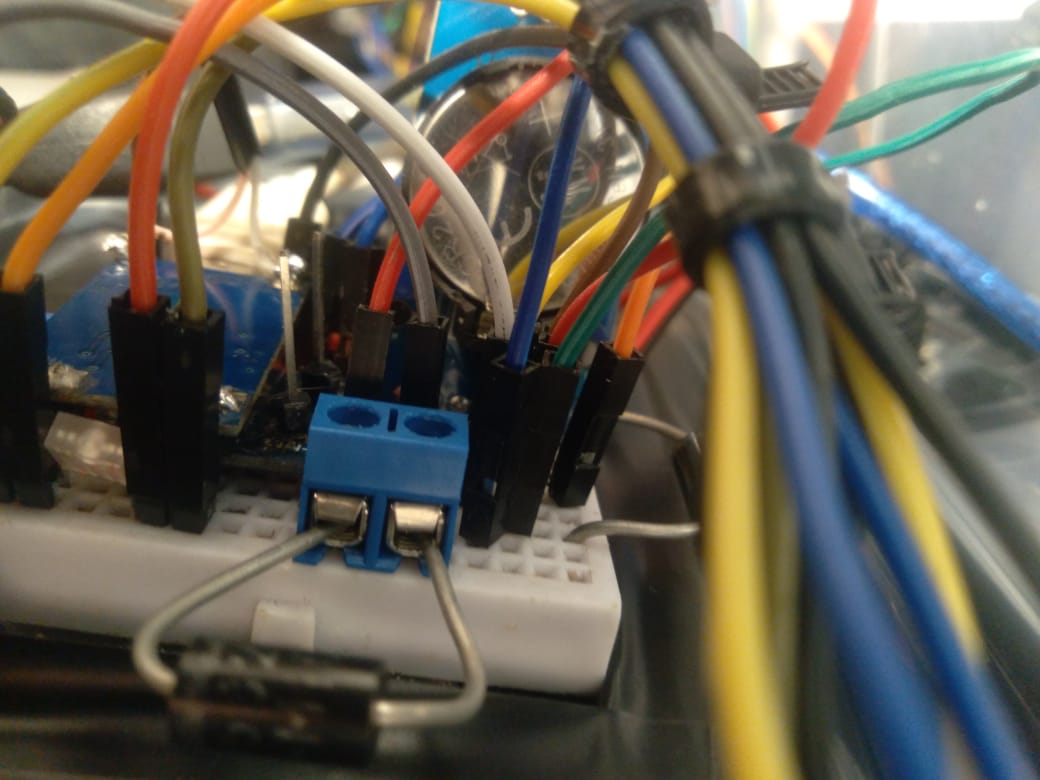 tweaking things
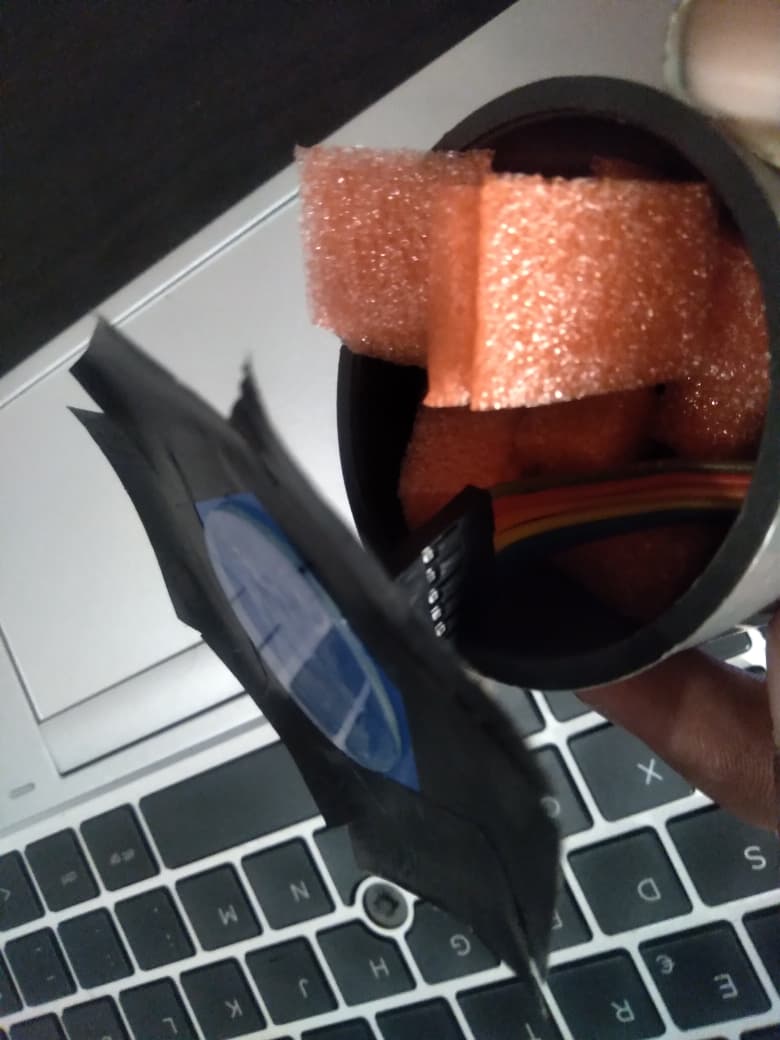 ventilation system creation for the FiaPhy custom flux sensor
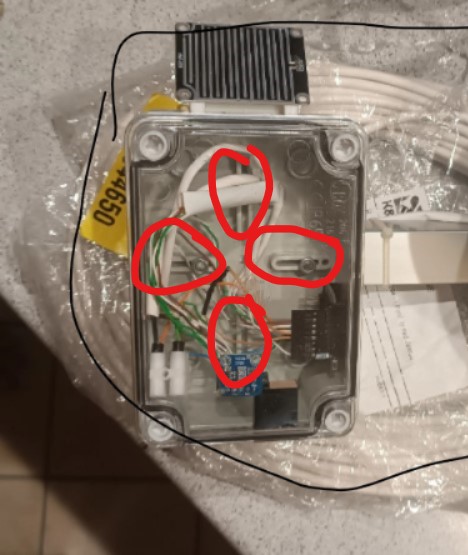 waterproof, IPV4 3D printed enclosure
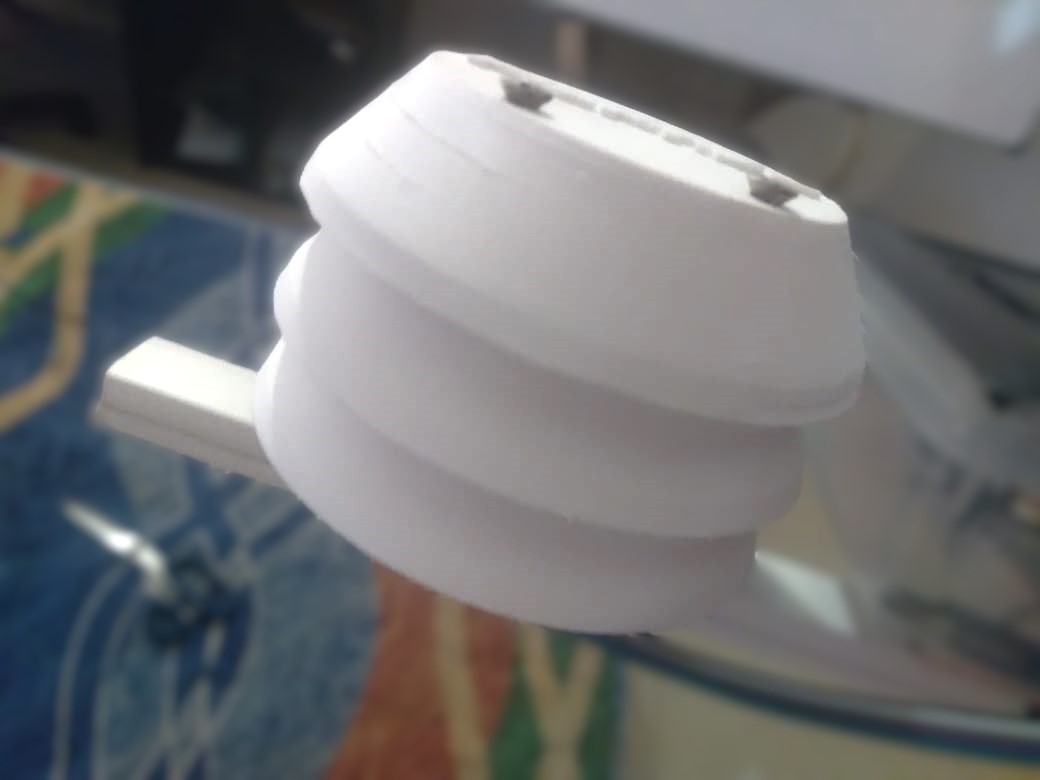 stevenson sensor is ready after printing
 IP65 Waterproof!